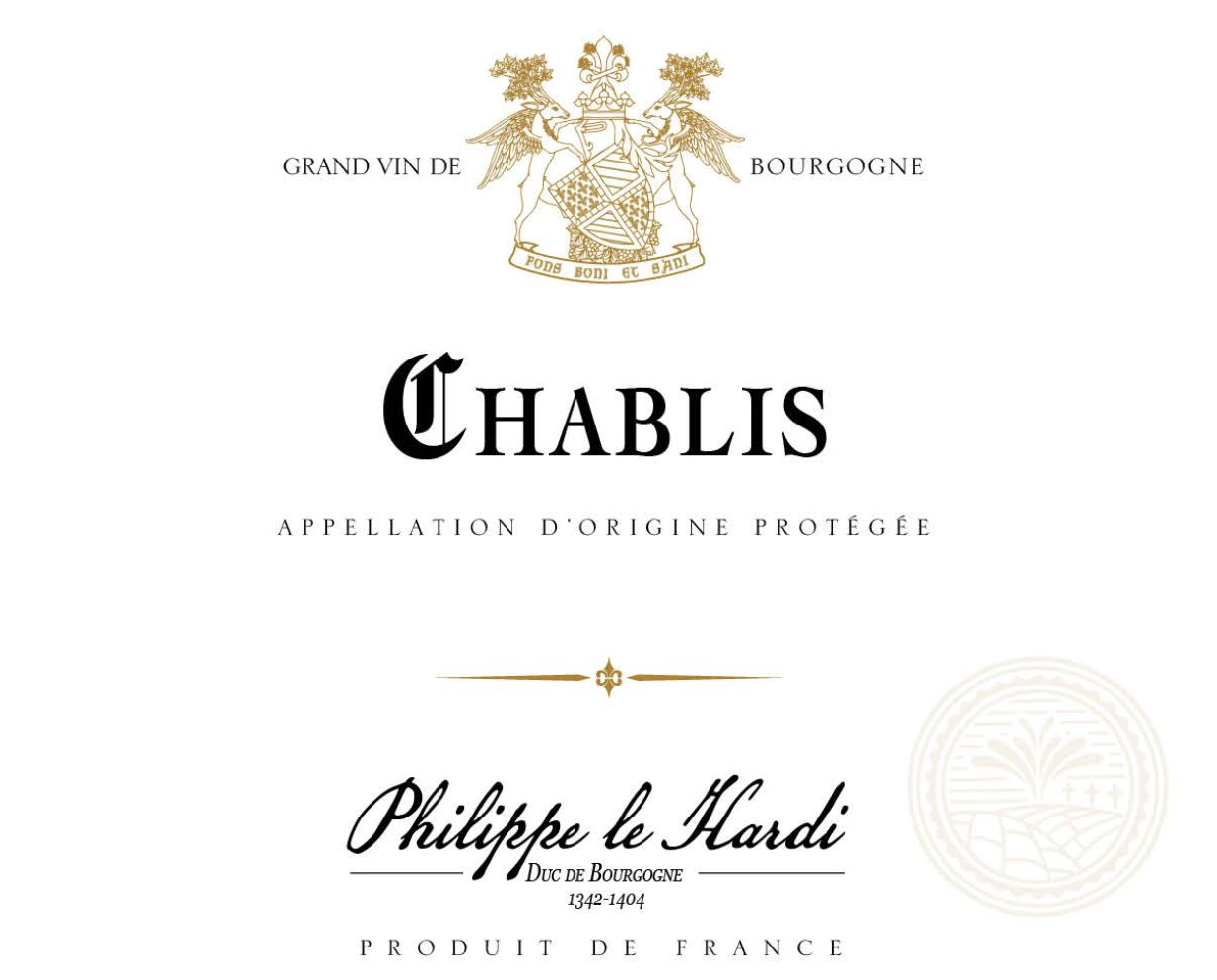
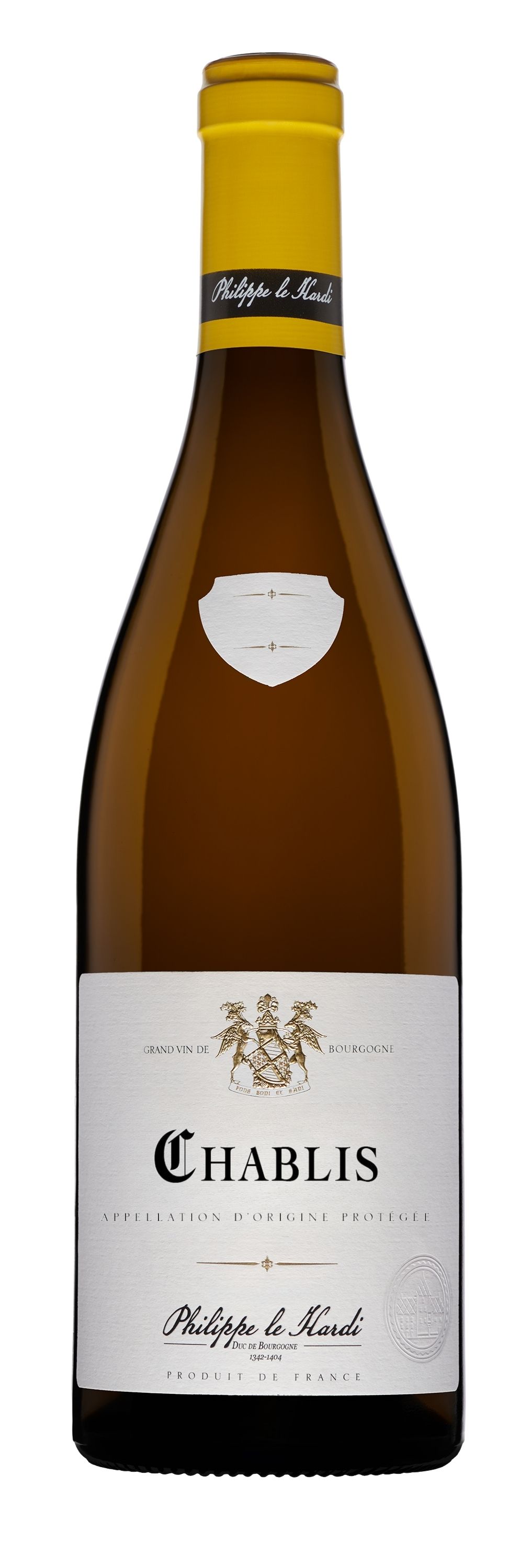
Presentation of the appellation
Chablis vineyards lie along a little river aptly named the Serein. Vines began to growth here during the Romanera. In the 12th century, the Cistercian monks from the abbey of Pontigny developed its cultivation. The main substrate is Jurassic limestone (specifically, Kimmeridgian limestone) laid down some 150 million years ago. The rock contains deposits of tiny fossilised oyster shells which remind us that Bourgogne once lay beneath a warm ocean.Tasting: Mineral, straight, crispy
Oysters, sea foodPotential and cellaring advice: 1 to 5 years. Serving temperature: 12°C
Vineyard
- Soil and subsoil: Marls and limestone from Kimmeridgien
- Density of planting: 9000 vines /ha
Wine
- Vinification: Alcoholic fermentation and malolactic in tanks
- Aging: 15 month in stainless steel tanks
- Production: 4 000 bottles
Chablis and Grand Auxerrois 2023
2023 saw some unstable weather. However, it proved less challenging than that of 2024, allowing the vines ample freedom to flourish. Benefiting from a brilliant end of summer, white grapes reached full ripeness while retaining enough freshness to uphold the celebrated reputation of Bourgogne’s white wines. As for Pinot Noir, it once again demonstrated its supremacy as the region’s flagship grape. Rigorous sorting, often quite selective, ensured only the best fruit was harvested in this exceptional year. The white wines offer notably expressive aromas with a rich aromatic profile. Delicate floral notes blend harmoniously with hints of white and citrus fruits. On the palate, these wines show exquisite balance both fresh and tender, with a mineral-driven, mouthwatering finish. Chablis and Grand Auxerrois have crafted a superb vintage in 2023, providing wines that are delightful in their youth and promising for further evolution over the coming years.